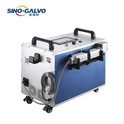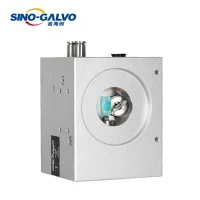


Micro laser cutting technology has revolutionized the glass industry, offering unprecedented precision and versatility in material processing. This innovative technique utilizes high-energy laser beams to cut, shape, and modify glass with exceptional accuracy, making it indispensable in various applications ranging from electronics to medical devices. The process involves focusing a laser beam onto the glass surface, causing localized heating and subsequent material removal.
Unlike traditional cutting methods, micro laser cutting allows for intricate designs, clean edges, and minimal material waste. Its ability to work with a wide range of glass types, including borosilicate, soda-lime, and quartz, has made it a go-to solution for manufacturers seeking to create complex glass components with tight tolerances. The non-contact nature of laser cutting also eliminates the risk of mechanical stress and contamination, ensuring the integrity of the final product.
Advancements in Micro Laser Cutting Systems for Glass Processing
The field of micro laser cutting for glass materials has witnessed significant advancements in recent years.The versatility of these systems is further enhanced by their compatibility with different software platforms, including AutoCAD, Photoshop, and CorelDRAW, allowing for seamless integration into existing workflows.
One of the key innovations in micro laser cutting technology is the development of high-power, precision-controlled laser beams. With power outputs reaching 220 watts and maximum cutting speeds of up to 5000mm/s, these systems can process glass materials with unprecedented efficiency. The use of advanced laser wavelengths, such as 10.64μm for CO2 lasers, enables precise energy deposition and controlled material removal, resulting in high-quality cuts without the yellow and black edges often associated with traditional cutting methods.
Moreover, the integration of sophisticated control systems has significantly improved the accuracy and repeatability of micro laser cutting processes. Systems now support functions such as dotting design, vector drawing, marking, scribing, and cutting, all within a single platform. This level of integration not only streamlines the manufacturing process but also allows for greater flexibility in design and production.

Principles and Techniques of Glass Micro Laser Cutting
The fundamental principle behind micro laser cutting of glass materials revolves around the controlled application of thermal energy. The process primarily utilizes the melt cutting method, which capitalizes on the ductility and plasticity of glass when exposed to high temperatures. In this technique, a high-energy laser beam, typically a CO2 laser, is directed at the glass surface, causing localized melting. Simultaneously, a pressurized gas stream blows away the molten glass debris, creating a precise groove along the cutting path.
The effectiveness of micro laser cutting in glass processing stems from several key factors:
- Thermal Focusing: The laser beam's energy is concentrated into a small spot, allowing for highly localized heating and precise material removal.
- Controlled Energy Deposition: Advanced laser systems enable precise control over the energy delivered to the glass, minimizing thermal stress and preventing unwanted cracking or chipping.
- Gas Assist: The use of assist gases not only helps in removing molten material but also aids in cooling the surrounding areas, reducing the heat-affected zone.
- Beam Shaping: Sophisticated optics allow for the manipulation of the laser beam profile, optimizing it for different types of cuts and materials.
One of the critical aspects of micro laser cutting is the ability to fine-tune parameters such as laser power, pulse frequency, and cutting speed. This level of control allows manufacturers to adapt the process to various glass thicknesses and compositions, ensuring optimal results across a wide range of applications. The non-contact nature of laser cutting also eliminates the need for tool changes and reduces wear, contributing to longer equipment life and consistent cutting quality.
Applications and Future Prospects of Micro Laser Cutting in Glass Industry
The versatility of micro laser cutting technology has led to its adoption across numerous industries that rely on precision glass components. In the electronics sector, it plays a crucial role in the production of smartphone screens, touchpad panels, and microfluidic devices. The medical industry benefits from micro laser cutting in the fabrication of lab-on-chip devices, microarrays, and precise surgical tools. Automotive applications include the creation of complex shapes for heads-up displays and sensor housings.
Looking towards the future, the potential applications of micro laser cutting in glass materials continue to expand. Emerging trends include:
- 3D Glass Structuring: Advanced techniques are being developed to create three-dimensional structures within glass, opening up new possibilities for optical components and microfluidic systems.
- Ultrafast Laser Processing: The use of femtosecond lasers is pushing the boundaries of precision, allowing for even finer cuts and reduced thermal effects.
- Hybrid Manufacturing: Combining micro laser cutting with other processes, such as additive manufacturing, is enabling the creation of complex glass-based devices with integrated functionalities.
- Smart Glass Processing: As the demand for smart glass technologies grows, micro laser cutting is expected to play a pivotal role in creating intricate patterns for electrochromic and photovoltaic glass applications.
The continuous advancement of laser technologies, coupled with increasing demands for miniaturization and precision in various industries, ensures that micro laser cutting will remain at the forefront of glass processing techniques for years to come.
Conclusion
Micro laser cutting technology has undeniably transformed the landscape of glass material processing, offering unparalleled precision, flexibility, and efficiency. As industries continue to push the boundaries of what's possible with glass components, the role of micro laser cutting will only grow in importance. The technology's ability to adapt to diverse applications while maintaining high quality and repeatability makes it an invaluable tool for manufacturers across various sectors.
As research and development in this field progress, we can anticipate even more innovative applications and improvements in micro laser cutting systems, further solidifying its position as a cornerstone technology in advanced manufacturing processes. For those looking to stay at the cutting edge of glass processing technology, exploring the latest in micro laser cutting solutions is not just beneficial-it's essential. To learn more about state-of-the-art galvo scanner systems and laser cutting technologies, contact Sino-Galvo at Info@sino-galvo.com.