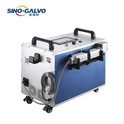


A fiber laser cutting machine is widely used in modern metal fabrication because of its high cutting speed, excellent beam quality, and broad material compatibility. Compared with traditional CO₂ laser systems and mechanical cutting methods, fiber laser cutting technology can process a wide range of metallic materials, including carbon steel, stainless steel, aluminum, copper, brass, and titanium alloys.
However, different metals have different characteristics, such as reflectivity, thermal conductivity, melting point, and chemical properties. These factors directly affect cutting performance, required laser power, auxiliary gas selection, and final cut quality. Therefore, choosing the right material is an important step to achieve efficient and stable fiber laser cutting results.
Metals Suitable for Fiber Laser Cutting Machines
1. Carbon Steel
Carbon steel is one of the most commonly processed materials for a fiber laser cutting machine due to its excellent laser absorption and stable cutting performance.
During carbon steel cutting, oxygen is often used as the assist gas. The laser beam heats the material to its ignition temperature, while oxygen reacts with the hot metal to generate additional heat, accelerating the cutting process. This makes fiber laser cutting particularly effective for medium and thick carbon steel plates used in structural components, machinery parts, and industrial equipment.
For applications requiring cleaner edges and reduced oxidation, nitrogen-assisted cutting can also be used to achieve higher-quality cut surfaces.
2. Stainless Steel
Stainless steel is another major material processed by fiber laser cutting machines, especially in industries requiring high precision and excellent surface quality.
Nitrogen is commonly used as the assist gas when cutting stainless steel. Since nitrogen prevents oxidation during the cutting process, the finished edges remain smooth, bright, and free from oxide layers.
Fiber laser cutting is widely applied for stainless steel fabrication, including kitchen equipment, medical devices, electronic enclosures, architectural components, and precision sheet metal parts.
3. Aluminum and Aluminum Alloys
Aluminum alloys are lightweight, corrosion-resistant, and widely used in aerospace, automotive, transportation, and industrial manufacturing.
However, aluminum has higher reflectivity and thermal conductivity compared with steel, which makes it more challenging to cut. A high-performance fiber laser cutting machine with suitable power output and optimized cutting parameters is required to achieve stable results.
When properly configured, fiber laser cutting can provide excellent cutting quality for aluminum sheets and plates. However, thicker aluminum materials may require higher laser power and careful control of cutting speed, focus position, and assist gas pressure.
4. Copper and Brass
Copper and brass are highly reflective metals that have traditionally been difficult to process with laser cutting technology. Their high reflectivity causes part of the laser energy to be reflected, while their excellent thermal conductivity quickly transfers heat away from the cutting area.
With the development of high-power fiber laser technology, modern fiber laser cutting machines can now process copper and brass materials more effectively than traditional laser systems.
For thin copper sheets and precision components, fiber laser cutting provides high accuracy and clean edges. However, cutting thicker copper materials requires higher laser power, optimized parameters, and proper protection against reflected laser energy.
5. Titanium Alloys
Titanium alloys are widely used in aerospace, medical equipment, and high-performance industrial applications due to their high strength-to-weight ratio and corrosion resistance.
A fiber laser cutting machine can process titanium alloys with high precision when combined with suitable inert gas protection, such as nitrogen or argon. These gases help prevent oxidation and maintain the mechanical properties and surface quality of the cut edges.
Due to the high value of titanium components, the precision and low deformation characteristics of fiber laser cutting make it an ideal solution for these applications.
Metals That Require Special Consideration for Fiber Laser Cutting
Although fiber laser cutting machines can process many types of metals, some materials require additional consideration due to their physical properties.
1. Highly Reflective Metals
Highly reflective metals, such as pure copper, brass, gold, and silver, can reflect a significant amount of laser energy. This may reduce cutting efficiency and potentially affect the optical components of the laser system.
For these materials, manufacturers usually recommend using high-power fiber laser cutting machines equipped with appropriate anti-reflection protection technology.
2. Thick Metal Plates
Fiber laser cutting machines can cut thick metal plates, but the required laser power increases as material thickness grows.
For extremely thick steel plates, traditional methods such as flame cutting may still offer advantages in terms of initial equipment cost and operating economics. Therefore, manufacturers should select laser power according to actual production requirements.
3. Coated and Galvanized Metals
Galvanized steel sheets can be processed using fiber laser cutting machines, especially in automotive and sheet metal manufacturing industries.
However, zinc coating may produce metal fumes during cutting, which can affect nozzle performance and contaminate optical components over long-term operation. Proper ventilation, dust extraction, and parameter adjustment are necessary for stable production.
How to Choose the Right Material for Fiber Laser Cutting
When selecting materials for a fiber laser cutting machine, manufacturers should consider several factors:
Material type: Different metals require different cutting strategies and assist gases.
Material thickness: Higher thickness generally requires higher laser power.
Surface quality requirements: Nitrogen cutting is preferred when oxidation-free edges are required.
Production volume: High-volume production may require optimized automation solutions.
Machine configuration: Laser power, cutting head performance, and protection systems directly influence cutting results.
In general, carbon steel, stainless steel, aluminum alloys, copper, brass, and titanium alloys are all suitable materials for fiber laser cutting when the machine configuration matches the application requirements.
By selecting the correct fiber laser cutting machine and optimizing cutting parameters, manufacturers can achieve high-speed processing, excellent edge quality, and improved production efficiency across a wide range of metal fabrication applications.