The laser rust removal business is experiencing a surge in popularity as industries seek more efficient, eco-friendly, and cost-effective solutions for tackling corrosion. As we delve into the future of this burgeoning sector, we'll explore the emerging trends, potential hurdles, and promising growth opportunities that lie ahead. Whether you're a business owner, industry professional, or simply curious about the latest advancements in rust removal technology, this comprehensive guide will provide valuable insights into the evolving landscape of laser-based rust elimination.
Emerging Trends in Laser Rust Removal Technology
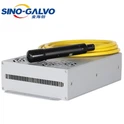
The laser rust removal industry is witnessing rapid technological advancements that are reshaping the way businesses approach corrosion management. One of the most notable trends is the development of more powerful and precise laser systems. These cutting-edge machines can tackle rust on a wider range of materials and surface types, expanding the potential applications for laser cleaning technology.
Another significant trend is the integration of artificial intelligence (AI) and machine learning algorithms into laser rust removal systems. These smart technologies enable more accurate rust detection, optimized cleaning parameters, and improved overall efficiency. By leveraging AI, laser rust removal businesses can offer more tailored solutions to their clients, ensuring better results and reduced operating costs.
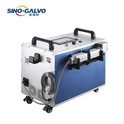
Additionally, there's a growing emphasis on portability and versatility in laser rust removal equipment. Manufacturers are developing compact, lightweight systems that can be easily transported and used in various environments, from industrial settings to remote locations. This trend is particularly beneficial for businesses that offer on-site rust removal services, as it allows them to reach a broader clientele and tackle diverse projects with greater ease.
The push towards more environmentally friendly practices is also influencing the laser rust removal business. Unlike traditional chemical-based or abrasive cleaning methods, laser technology produces minimal waste and doesn't require harmful solvents or chemicals. This eco-conscious approach is increasingly appealing to industries seeking to reduce their environmental impact and comply with stringent regulations.
Overcoming Challenges in the Laser Rust Removal Sector
Whereas the future of the laser rust evacuation trade looks promising, there are a few challenges that industry players must explore to guarantee long-term victory. One of the essential obstacles is the beginning taking a toll on the venture in laser cleaning gear. High-quality laser frameworks can be costly, which may hinder littler businesses or new businesses from entering the showcase. In any case, as innovation propels and gets to be more far-reaching, we can anticipate seeing more reasonable alternatives getting to be accessible.
Another challenge facing the laser rust removal industry is the need for specialized training and expertise. Operating laser cleaning equipment requires a thorough understanding of the technology and safety protocols. Businesses must invest in comprehensive training programs for their staff to ensure proper usage and maximize the effectiveness of their laser systems. This can be time-consuming and may initially impact productivity as employees learn to master the new technology.
Competition from traditional rust removal methods also poses a challenge for laser-based businesses. Many industries are accustomed to using conventional techniques and may be hesitant to switch to laser technology. Overcoming this resistance requires educating potential clients about the benefits of laser rust removal, such as its precision, speed, and environmental friendliness. Laser rust removal business must focus on demonstrating the long-term cost-effectiveness and superior results of their services to win over skeptical customers.
Regulatory compliance is another area that demands attention from laser rust removal businesses. As the technology continues to evolve, industry standards and safety regulations may change. Companies must stay informed about these developments and ensure their equipment and practices meet all necessary requirements. This ongoing process of adaptation and compliance can be challenging but is crucial for maintaining a competitive edge and ensuring worker safety.
Unlocking Growth Potential in the Laser Rust Removal Market


Despite the challenges, the laser rust removal business holds immense growth potential across various sectors. The automotive industry, for instance, presents a significant opportunity for expansion. As vehicle manufacturers and restoration specialists seek more efficient ways to combat rust, laser cleaning technology is becoming an increasingly attractive option. The ability to remove rust without damaging underlying paint or delicate components makes laser systems particularly valuable in this field.
The maritime sector is another area ripe for growth in the laser rust removal business. Ships and offshore structures are constantly exposed to corrosive saltwater environments, making rust a persistent problem. Laser cleaning offers a fast, effective solution for maintaining these assets, potentially reducing downtime and extending their operational lifespan. As shipping companies and naval organizations recognize the benefits of laser technology, demand for these services is likely to increase substantially.
The aerospace industry also holds promising growth potential for laser rust removal businesses. With strict safety standards and the need for precision maintenance, aerospace manufacturers and maintenance, repair, and overhaul (MRO) providers are increasingly turning to laser cleaning solutions. The ability to remove rust and surface contaminants without altering the structural integrity of aircraft components makes laser technology an ideal choice for this demanding sector.
Furthermore, the construction and infrastructure maintenance industries present opportunities for expansion in the laser rust removal market. Bridges, buildings, and other large-scale structures require regular rust removal and surface preparation. Laser cleaning systems offer a more efficient and environmentally friendly alternative to traditional sandblasting or chemical treatments, making them an attractive option for large-scale restoration projects.
As awareness of laser rust removal technology grows, we can expect to see increased adoption across various industries. This expansion will likely lead to further innovations in laser systems, driving down costs and improving accessibility for businesses of all sizes. The potential for customization and integration with other technologies, such as robotics and IoT sensors, opens up new avenues for growth and diversification within the laser rust removal business.
Conclusion
The future of the laser rust removal business is bright, with emerging trends, technological advancements, and growing demand across multiple industries. While challenges such as initial investment costs and the need for specialized training exist, the potential benefits and growth opportunities far outweigh these hurdles. As businesses continue to seek more efficient, eco-friendly, and cost-effective solutions for rust removal, laser technology is poised to play an increasingly important role in corrosion management strategies.
If you're interested in learning more about advanced laser systems and their applications in rust removal and other industrial processes, don't hesitate to reach out to the experts at Sino-Galvo Tech. Contact us at Info@sino-galvo.com for more information on our state-of-the-art galvanometer scanning systems and laser solutions tailored to your specific needs.