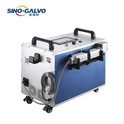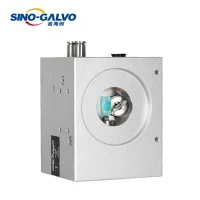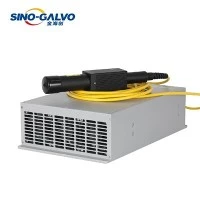


Laser cleaning has revolutionized the way we approach surface treatment and restoration across various industries. This innovative technology harnesses the power of focused light to remove contaminants, coatings, and corrosion from surfaces without causing damage to the underlying material. From eradicating rust on industrial equipment to delicately restoring priceless works of art, laser cleaning offers a precise, eco-friendly, and efficient solution. By vaporizing unwanted materials through photothermal and photochemical processes, laser cleaning systems provide a non-contact method that preserves the integrity of the treated surface while delivering exceptional results.
The Science Behind Laser Cleaning Technology
Principles of Laser Ablation
Laser cleaning operates on the principle of laser ablation, a process where focused laser energy interacts with the surface material, causing it to vaporize or sublimate. This phenomenon occurs when the laser's energy is absorbed by the target substance, creating localized heating that breaks molecular bonds. The rapid expansion of the vaporized material generates a micro-explosion, effectively removing the unwanted layer without affecting the underlying substrate.
Types of Lasers Used in Cleaning Applications
Various types of lasers are employed in cleaning applications, each suited for specific tasks. Pulsed lasers, such as Q-switched Nd:YAG lasers, are commonly used due to their high peak power and short pulse duration. These characteristics allow for efficient material removal while minimizing heat transfer to the substrate. Fiber lasers have gained popularity for their reliability, compact size, and ability to deliver high-quality beam profiles. CO2 lasers find applications in removing organic contaminants and coatings from surfaces sensitive to shorter wavelengths.
Parameters Affecting Laser Cleaning Efficiency
The effectiveness of laser cleaning depends on several key parameters. Wavelength selection is crucial, as different materials absorb light at specific wavelengths more efficiently. Pulse duration and repetition rate influence the amount of energy delivered to the surface and the rate of material removal. Laser fluence, or energy density, determines the ablation threshold and cleaning depth. Proper adjustment of these parameters ensures optimal cleaning results while preventing damage to the underlying material.
Applications of Laser Cleaning in Industry and Conservation

Rust and Corrosion Removal in Manufacturing
In the manufacturing sector, laser cleaning has become an indispensable tool for rust and corrosion removal. Traditional methods often involve abrasive techniques or harsh chemicals that can damage sensitive components. Laser cleaning offers a non-contact alternative that selectively removes oxidation layers without altering the base metal's properties. This precision is particularly valuable in aerospace, automotive, and electronics industries, where maintaining material integrity is paramount.

Surface Preparation for Welding and Coating
Proper surface preparation is essential for achieving high-quality welds and coatings. Laser cleaning excels in this area by removing contaminants, oxides, and old coatings with exceptional precision. The process leaves a clean, activation-ready surface that promotes better adhesion and reduces the risk of weld defects. This application has found widespread use in shipbuilding, pipeline construction, and automotive manufacturing, where weld quality directly impacts structural integrity and safety.
Conservation and Restoration of Artworks and Historical Artifacts
In the realm of art conservation and historical preservation, laser cleaning has emerged as a game-changer. Traditional restoration methods often risked damaging delicate surfaces or altering the original patina of artifacts. Laser technology allows conservators to remove centuries of grime, varnish, and degradation products with unprecedented control and gentleness. From cleaning frescoes and sculptures to restoring ancient manuscripts, laser cleaning has opened new possibilities in preserving our cultural heritage for future generations.

Advantages and Considerations of Laser Cleaning
Environmental Benefits and Safety Aspects
One of the most compelling advantages of laser cleaning is its environmental friendliness. Unlike chemical cleaning methods, laser ablation produces minimal waste and doesn't require hazardous solvents or disposal of contaminated materials. This eco-conscious approach aligns with growing sustainability initiatives across industries. Additionally, laser cleaning systems offer enhanced safety for operators, eliminating exposure to harmful chemicals and reducing the risk of respiratory issues associated with abrasive blasting techniques.
Cost-Effectiveness and Efficiency in Industrial Settings
While the initial investment in laser cleaning equipment may be higher than traditional methods, the long-term benefits often result in significant cost savings. Laser systems require minimal consumables, reduce downtime for maintenance, and increase productivity through faster cleaning cycles. The precision of laser cleaning also minimizes material loss and rework, contributing to overall operational efficiency. In industries where cleanliness directly impacts product quality and performance, such as semiconductor manufacturing or medical device production, laser cleaning provides a reliable and consistent solution.
Limitations and Challenges in Laser Cleaning Applications
Despite its numerous advantages, laser cleaning is not without limitations. Certain materials may be challenging to clean effectively due to their optical properties or thermal sensitivity. Highly reflective surfaces, for instance, can pose difficulties in achieving efficient ablation. The depth of cleaning is limited by the laser's penetration, which may necessitate multiple passes for thick coatings or deep-seated contaminants. Additionally, the complexity of laser systems requires skilled operators and proper maintenance protocols to ensure optimal performance and longevity of the equipment.
Conclusion
Laser cleaning technology has transformed surface treatment processes across diverse fields, from heavy industry to delicate art restoration. Its ability to provide precise, eco-friendly, and efficient cleaning solutions has made it an invaluable tool in modern manufacturing and conservation efforts. As the technology continues to evolve, we can expect even more innovative applications and improvements in laser cleaning systems. For those seeking to harness the power of laser cleaning in their operations or projects, partnering with experienced providers is crucial.
Sino-Galvo Tech, with its extensive expertise in galvanometer scanning systems and laser technologies, offers cutting-edge solutions tailored to specific cleaning needs. To explore how laser cleaning can benefit your applications or to learn more about our advanced galvanometer scanning systems for laser cleaning machines, please contact us at Info@sino-galvo.com.