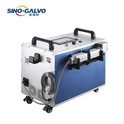


Handheld laser cleaning machines have revolutionized surface preparation and restoration across various industries. However, users often encounter challenges that can hinder optimal performance. This article addresses frequent issues with handheld laser cleaning devices and provides effective solutions. From inadequate cleaning results to safety concerns, we'll explore practical remedies to ensure your laser cleaning operations run smoothly. By understanding these common problems and their solutions, operators can maximize efficiency, prolong equipment lifespan, and achieve superior cleaning outcomes.
Technical Challenges and Operational Issues
Insufficient Cleaning Power
One of the most prevalent issues with handheld laser cleaning machines is insufficient cleaning power. This can result in subpar surface preparation, leaving residues or contaminants behind. To address this problem, operators should first check the laser power settings and ensure they are appropriate for the material being cleaned. Adjusting the pulse frequency and scanning speed can also significantly improve cleaning efficiency.
Additionally, the distance between the laser head and the target surface plays a crucial role. Maintaining the optimal working distance, typically specified in the machine's manual, ensures maximum energy transfer and cleaning effectiveness. Regular calibration of the laser system can help maintain consistent power output and cleaning performance over time.
Uneven Cleaning Results
Uneven cleaning results can be frustrating when working with handheld laser cleaning devices. This issue often stems from inconsistent hand movement or varying surface conditions. To achieve more uniform results, operators should practice maintaining a steady hand and consistent speed while moving the laser across the surface.
Implementing a systematic cleaning pattern, such as overlapping passes or grid-like movements, can help ensure complete coverage. Some advanced handheld laser cleaning machines feature built-in guides or projection systems that assist operators in maintaining consistent coverage. For large areas or complex geometries, consider using automated systems or robotic arms to achieve more uniform cleaning results.

Overheating and Thermal Damage
Overheating is a significant concern with handheld laser cleaning machines, potentially leading to thermal damage on sensitive surfaces or compromising the integrity of the cleaned material. To mitigate this risk, operators should monitor the surface temperature during the cleaning process. Many modern laser cleaning devices come equipped with integrated temperature sensors and automatic shut-off features to prevent overheating.
Implementing proper cooling techniques, such as compressed air cooling or periodic pauses between cleaning cycles, can help manage heat buildup. Adjusting laser parameters like pulse duration and repetition rate can also help control the heat input. For particularly heat-sensitive materials, consider using specialized low-power cleaning modes or alternative cleaning methods in conjunction with laser cleaning.
Maintenance and Longevity Concerns
Optics Contamination
The optical components of handheld laser cleaning machines are critical to their performance and longevity. Contamination of lenses, mirrors, or protective windows can lead to reduced cleaning efficiency and potential damage to the laser system. Regular inspection and cleaning of optical elements are essential to maintain optimal performance.
Implement a routine maintenance schedule that includes careful cleaning of optics using appropriate solvents and lint-free materials. Installing protective filters or implementing air purge systems can help prevent contaminants from reaching sensitive optical components during operation. For machines used in particularly dusty or harsh environments, consider upgrading to sealed optical systems or implementing more frequent maintenance intervals.
Wear and Tear of Moving Parts
Handheld laser cleaning machines often incorporate moving parts such as scanning mirrors or focusing mechanisms. These components can experience wear over time, leading to reduced precision and cleaning effectiveness. Regular inspection and lubrication of moving parts can help extend their lifespan and maintain consistent performance.
Implement a preventive maintenance program that includes periodic replacement of wear-prone components before they fail. Training operators in proper handling and storage techniques can also help minimize unnecessary stress on moving parts. For high-usage environments, consider investing in machines with more durable components or modular designs that allow for easier part replacement.
Software and Firmware Updates
As with any modern technology, handheld laser cleaning machines often rely on software and firmware to control their operations. Outdated software can lead to performance issues, compatibility problems, or missed features that could enhance cleaning efficiency. Regularly check for and install software updates provided by the manufacturer to ensure your machine is operating with the latest improvements and bug fixes.
Maintain a log of software versions and update history to track changes and potential impacts on performance. Some manufacturers offer remote diagnostics and update services, which can be particularly beneficial for maintaining a fleet of laser cleaning devices. Consider implementing a testing protocol for new software versions before deploying them across all machines to ensure compatibility and stability.
Safety and Compliance Considerations
Inadequate Personal Protective Equipment
The use of proper personal protective equipment (PPE) is paramount when operating handheld laser cleaning machines. Inadequate or improperly used PPE can lead to serious safety risks, including eye damage and skin burns. Ensure all operators are equipped with appropriate laser safety goggles that match the specific wavelength and power of the laser being used.
Implement a comprehensive safety training program that covers proper PPE usage, including the correct way to wear and maintain safety equipment. Regularly inspect and replace PPE as needed, and consider implementing a check-in/check-out system for shared safety equipment to ensure it's always available and in good condition. Post clear safety guidelines and PPE requirements in prominent locations around the work area.
Environmental Hazards and Fume Extraction
Laser cleaning processes can generate potentially hazardous fumes and particulates, depending on the materials being cleaned. Inadequate fume extraction can pose health risks to operators and violate workplace safety regulations. Invest in effective fume extraction systems that are appropriate for the scale and nature of your laser cleaning operations.
Regular maintenance and filter replacement for fume extraction systems are crucial to ensure their continued effectiveness. Consider implementing air quality monitoring in the work area to detect any potential issues with fume extraction. For mobile or field operations, portable fume extraction units or personal protective respiratory equipment may be necessary to maintain a safe working environment.
Regulatory Compliance and Documentation
Staying compliant with safety regulations and maintaining proper documentation is essential for organizations using handheld laser cleaning machines. Failure to meet regulatory requirements can result in fines, operational shutdowns, or legal liabilities. Regularly review and update your safety protocols to ensure they align with current industry standards and local regulations.
Maintain detailed records of operator training, equipment maintenance, and safety incident reports. Conduct periodic safety audits and risk assessments to identify and address potential compliance issues proactively. Consider engaging with industry associations or regulatory bodies to stay informed about upcoming changes in safety standards or compliance requirements related to laser cleaning technology.
Conclusion
Handheld laser cleaning machines offer powerful and efficient solutions for surface preparation and restoration. By addressing common problems such as insufficient cleaning power, maintenance issues, and safety concerns, operators can maximize the benefits of this technology while minimizing risks and downtime. Regular maintenance, proper training, and adherence to safety protocols are key to overcoming these challenges and achieving optimal results with handheld laser cleaning devices.
As the technology continues to evolve, staying informed about the latest developments and best practices in laser cleaning is crucial. For more information on advanced laser cleaning solutions and galvanometer scanning systems, please contact us at Info@sino-galvo.com. Our team of experts is ready to assist you in optimizing your laser cleaning operations and addressing any specific challenges you may face.