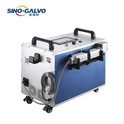


Laser welding has revolutionized the automotive industry, advertising exact, proficient, and flexible arrangements for different fabricating forms. The applications of laser welding in the automotive segment are assorted and critical, extending from body-in-white assembly to powertrain components. This innovation empowers automakers to create lighter, stronger, and more fuel-efficient vehicles while keeping up high generation speeds and quality measures. Laser welding is especially important for joining divergent materials, making complex geometries, and accomplishing high-strength bonds in basic security components. As the automotive industry proceeds to evolve, automotive lasers play a pivotal part in meeting the requests for upgraded execution, improved fuel economy, and expanded security in modern vehicles.
Advancements in Automotive Laser Welding Technologies
The automotive industry has witnessed remarkable progress in laser welding technologies, transforming manufacturing processes and enabling innovative design solutions. These advancements have significantly impacted the way vehicles are produced, leading to improved quality, efficiency, and performance.
Evolution of Laser Welding Systems
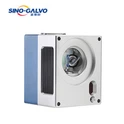
Over the years, laser welding frameworks have experienced considerable changes, becoming more capable, exact, and flexible. Modern laser welding hardware utilizes high-power fiber lasers and advanced galvanometer checking frameworks, permitting fast and precise pillar situating. These frameworks can accomplish welding speeds of up to 10 meters per minute, significantly lessening generation times compared to traditional welding methods.
The integration of real-time observing and versatile control frameworks has further improved the capabilities of automotive laser welding. These progressive highlights empower exact control of welding parameters, guaranteeing reliable weld quality even in challenging conditions. Furthermore, the advancement of multi-axis mechanical frameworks has extended the run of applications, permitting complex 3D welding operations in automotive gathering lines.
Innovations in Laser Beam Delivery
Advancements in laser bar conveyance frameworks have played a pivotal part in extending the applications of laser welding in the automotive industry. The presentation of adaptable fiber-optic cables has made it conceivable to deliver high-power laser pillars to inaccessible or hard-to-reach zones inside vehicle structures. This advancement has empowered automakers to implement laser welding in already blocked-off locations, generally progressing vehicle design and fabricating effectivenes.
Furthermore, the development of beam-shaping technologies has allowed for customized laser profiles tailored to specific welding requirements. By manipulating the beam's intensity distribution, manufacturers can optimize weld characteristics such as penetration depth, width, and heat-affected zone. This level of control is particularly beneficial when working with materials that are sensitive to heat or when joining dissimilar metals commonly used in modern vehicle construction.
Integration of Artificial Intelligence and Machine Learning
The incorporation of artificial intelligence (AI) and machine learning algorithms has revolutionized automotive laser welding processes. These advanced technologies enable real-time analysis of welding parameters, material properties, and environmental conditions, allowing for intelligent adjustments to optimize weld quality and consistency.
AI-powered systems can predict potential defects before they occur, initiating preventive measures to maintain high-quality standards throughout the production process. Machine learning algorithms continuously analyze vast amounts of welding data, identifying patterns and trends that can be used to refine welding parameters and improve overall process efficiency. This data-driven approach not only enhances product quality but also contributes to reduced waste and increased productivity in automotive manufacturing.
Key Applications of Laser Welding in Vehicle Production
Laser welding has become an indispensable technology in modern vehicle production, offering numerous advantages over traditional welding methods. Its precision, speed, and versatility have made it a preferred choice for various automotive applications, contributing to improved vehicle performance, safety, and aesthetics.
Body-in-White Assembly
One of the most significant applications of laser welding in the automotive industry is in body-in-white (BIW) assembly. This process involves joining the vehicle's structural components to form the car's body shell. Laser welding offers several advantages in BIW assembly, including:

High-speed welding of thin metal sheets
Precise control of heat input, reducing distortion and maintaining dimensional accuracy
Ability to join dissimilar materials, such as steel and aluminum, for lightweight construction
Creation of continuous, high-strength welds for improved structural integrity
By implementing laser welding in BIW assembly, automakers can achieve significant weight reduction while maintaining or even improving vehicle safety and performance. The technology also enables more flexible design options, allowing for the creation of complex geometries that were previously challenging to manufacture.
Powertrain Components
Laser welding plays a crucial role in the production of powertrain components, where precision and reliability are paramount. Some key applications in this area include:
Welding of transmission gears and shafts
Joining of engine components, such as camshafts and crankshafts
Seam welding of fuel tanks and exhaust systems
Assembly of electric motor housings for hybrid and electric vehicles
The use of laser welding in powertrain manufacturing allows for the creation of lighter, more efficient components with improved performance characteristics. The technology's ability to produce narrow, deep welds with minimal heat-affected zones is particularly beneficial for joining heat-sensitive materials often used in modern powertrains.

Interior and Exterior Components
Automotive laser has found numerous applications in the production of both interior and exterior vehicle components, contributing to improved aesthetics and functionality. Some notable examples include:
Welding of door panels and reinforcements
Joining of roof panels and pillars
Assembly of seat frames and adjustment mechanisms
Welding of tailgate and trunk lid components
The precision and control offered by laser welding enable manufacturers to create strong, durable joints while maintaining a sleek appearance. This is particularly important for visible exterior components, where weld quality directly impacts the vehicle's aesthetic appeal. Additionally, the technology's ability to work with a wide range of materials, including advanced high-strength steels and aluminum alloys, provides designers with greater flexibility in material selection and component design.
Future Trends and Innovations in Automotive Laser Applications
As the automotive industry continues to evolve, laser welding technologies are poised to play an increasingly important role in vehicle manufacturing. Several emerging trends and innovations are shaping the future of automotive laser applications, promising to further enhance production efficiency, vehicle performance, and sustainability.
Advanced Materials and Joining Techniques
The automotive industry's push towards lighter, more fuel-efficient vehicles is driving the development of advanced materials and innovative joining techniques. Future trends in this area include:
Laser welding of multi-material structures, combining metals, plastics, and composites
Development of new laser sources optimized for joining advanced high-strength steels and aluminum alloys
Integration of laser welding with other joining methods, such as adhesive bonding, for hybrid joining solutions
Exploration of novel beam manipulation techniques to enhance weld quality and expand material compatibility
These advancements will enable automakers to create more complex, lightweight structures that meet stringent safety and performance requirements while reducing overall vehicle weight and improving fuel efficiency.
Additive Manufacturing Integration
The convergence of laser welding and additive manufacturing technologies is expected to revolutionize automotive production processes. Future developments in this area may include:
Combination of laser welding and 3D printing for rapid prototyping and small-scale production
Development of hybrid systems that can switch between additive and subtractive processes seamlessly
Integration of in-situ monitoring and quality control systems for additive-welding processes
Exploration of new materials and alloys specifically designed for laser-based additive manufacturing in automotive applications
This integration will enable more flexible and customizable production processes, potentially reducing lead times and costs associated with tooling and traditional manufacturing methods.
Sustainable Manufacturing Practices
As environmental concerns become increasingly important, the automotive industry is focusing on developing more sustainable manufacturing practices. Laser welding is expected to contribute to this goal through:
Improved energy efficiency through the use of high-power, high-brightness laser sources
Reduction of material waste through precise control of weld parameters and minimized heat-affected zones
Development of laser processes for recycling and remanufacturing of automotive components
Integration of laser welding with eco-friendly materials and production methods
These advancements will help automakers reduce their environmental footprint while maintaining high-quality standards and production efficiency.

Conclusion
The applications of laser welding in the automotive industry are vast and continue to expand as technology advances. From body-in-white assembly to powertrain components and beyond, laser welding has revolutionized vehicle manufacturing processes, enabling the production of lighter, stronger, and more efficient vehicles. As the industry moves towards electrification and sustainable practices, the role of laser welding will only become more critical in meeting the challenges of future automotive design and production.
The future of automotive laser applications looks promising, with ongoing developments in advanced materials, additive manufacturing integration, and sustainable practices. These innovations will further enhance the capabilities of laser welding, allowing automakers to create more complex, lightweight structures while reducing environmental impact.
As the automotive industry continues to evolve, staying at the forefront of laser welding technology will be crucial for manufacturers looking to maintain a competitive edge. For those interested in learning more about cutting-edge galvanometer scanning systems and laser control solutions for automotive applications, please contact Sino-Galvo at Info@sino-galvo.com. Our team of experts is ready to help you explore how our advanced technologies can enhance your automotive manufacturing processes and drive innovation in your production lines.