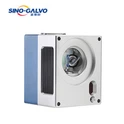


The Core Components of a Galvanometer Scanner
At the heart of a galvanometer laser scanner lies a set of crucial components that work in harmony to achieve precise laser beam manipulation. The primary elements include:
Mirrors
Typically made from lightweight, highly reflective materials such as beryllium or silicon carbide, these mirrors are designed to redirect the laser beam with minimal distortion.
01
Electromagnetic Coils
These coils generate magnetic fields that interact with permanent magnets to create rotational force.
02
Rotor and Shaft
The rotor, often equipped with permanent magnets, is attached to a shaft that supports the mirror. This assembly rotates in response to the electromagnetic forces.
03
Position Sensors
High-resolution sensors monitor the exact position of the mirrors, enabling precise control and feedback.
04
Control Electronics
Sophisticated circuitry manages the current flowing through the coils, translating digital commands into physical mirror movements.
05
The interplay between these components allows for rapid and accurate positioning of the laser beam. The mirrors can rotate on two axes (X and Y), providing two-dimensional control over the beam's direction. Some advanced systems incorporate a third axis (Z) for even greater versatility.
The Physics Behind Galvanometer Operation
The operation of a galvanometer laser scanner is grounded in fundamental principles of electromagnetism and mechanics. When an electric current passes through the coils, it generates a magnetic field. This field interacts with the permanent magnets on the rotor, causing it to rotate. The strength and direction of the current determine the angle and speed of rotation.
The system employs closed-loop control, where the position sensors continuously feed back information about the mirror's orientation. This feedback allows the control electronics to make rapid adjustments, ensuring the mirror reaches and maintains the desired position with exceptional accuracy.
The speed and precision of galvanometer scanners are partly due to their low inertia. The mirrors and rotor assemblies are designed to be as light as possible while maintaining rigidity. This low mass allows for rapid acceleration and deceleration, enabling the scanners to make thousands of movements per second.
Beam Delivery and Focusing Mechanisms
While the galvanometer mirrors control the direction of the laser beam, additional optics are often employed to manage beam characteristics:
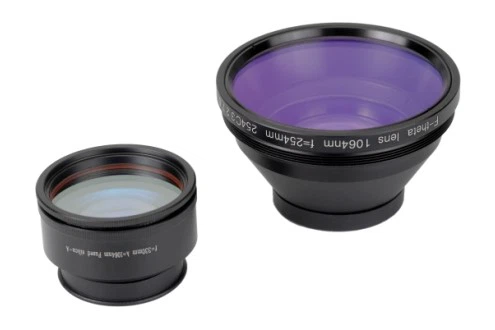
F-Theta Lenses
These specialized lenses ensure that the focused spot size remains consistent across the entire work area, regardless of the beam's angle.
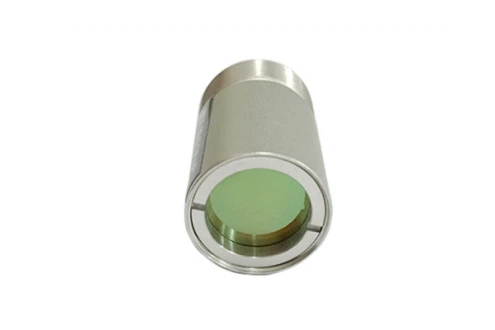
Beam Expanders
Used to adjust the diameter of the laser beam before it reaches the scanning mirrors, optimizing spot size and focus.
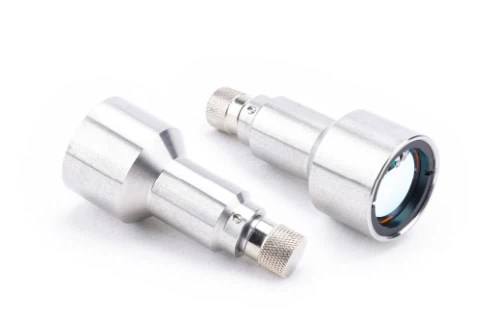
Collimators
These devices help maintain beam parallelism, crucial for achieving consistent results across the scanning field.
The integration of these optical components with the galvanometer system allows for precise control over not just the position of the laser spot, but also its size and focus. This level of control is essential for applications requiring high accuracy, such as micro-machining or medical procedures.
Applications and Advantages of Galvanometer Laser Scanners
Industrial Manufacturing and Quality Control
Galvanometer laser scanners have become indispensable tools in modern manufacturing processes. Their ability to direct laser beams with high speed and precision makes them ideal for a wide range of industrial applications

Laser Marking & Engraving
Galvanometer scanners enable the rapid and accurate marking of products with serial numbers, barcodes, or intricate designs. This is crucial for traceability and branding in industries ranging from electronics to automotive manufacturing.
Cutting & Welding
In conjunction with high-power lasers, these scanners can perform precise cutting and welding operations on materials such as metals and plastics. The speed and accuracy of galvanometer systems allow for complex cut patterns and weld seams that would be difficult to achieve with traditional methods.


3D Printing
Advanced additive manufacturing techniques, such as selective laser sintering (SLS) and stereolithography (SLA), rely on galvanometer scanners to direct lasers for material curing or fusing.
Surface Treatment
Laser cleaning and texturing processes benefit from the precise control offered by galvanometer scanners, allowing for selective removal of contaminants or creation of specific surface patterns.

Medical and Aesthetic Applications
The medical field has embraced galvanometer laser scanner technology for its ability to deliver precise laser energy to targeted areas with minimal impact on surrounding tissues:

Ophthalmology
In procedures such as LASIK eye surgery, galvanometer scanners guide lasers to reshape the cornea with exceptional accuracy, correcting vision defects.

Dermatology
Laser-based treatments for skin conditions, tattoo removal, and hair removal benefit from the precise control offered by galvanometer systems, allowing for targeted treatment with minimal damage to surrounding skin.

Dentistry
Galvanometer scanners enable precise laser cutting and ablation in dental procedures, improving accuracy and reducing patient discomfort.

Aesthetic Treatments
Non-invasive cosmetic procedures, such as skin resurfacing and wrinkle reduction, utilize galvanometer-controlled lasers for precise energy delivery.
Scientific Research and Development
Galvanometer laser scanners play a crucial role in various scientific research applications:
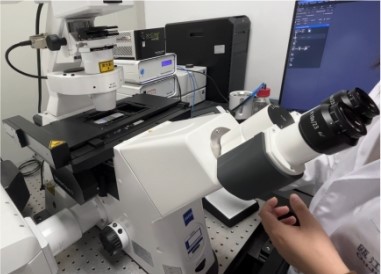
Microscopy
Advanced imaging techniques, such as confocal microscopy and multiphoton microscopy, use galvanometer scanners to rapidly scan laser beams across samples, enabling high-resolution, three-dimensional imaging of biological specimens.
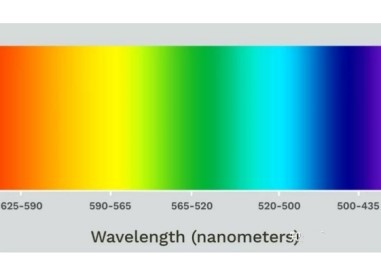
Spectroscopy
The precise beam control offered by galvanometer scanners allows for rapid spectral analysis across samples, enhancing the speed and accuracy of chemical and material analysis.

Optogenetics
In neuroscience research, galvanometer scanners enable precise targeting of light-sensitive neurons, allowing researchers to study brain function with unprecedented spatial and temporal resolution.

Laser Material Processing Research
Scientists studying the interaction between lasers and materials benefit from the controllability of galvanometer systems, allowing for systematic exploration of laser parameters and their effects.
Advancements and Future Prospects in Galvanometer Laser Scanner Technology
Recent Technological Innovations
The field of galvanometer laser scanner technology is continuously evolving, with recent advancements focusing on improving speed, accuracy, and versatility:
Ultra-High-Speed Scanners
New designs are pushing the boundaries of scanning speeds, with some systems capable of executing over 100,000 positioning operations per second. These advancements are crucial for applications requiring rapid processing, such as high-volume manufacturing or real-time laser display systems.
Enhanced Positional Accuracy
Innovations in position sensing technology and control algorithms have led to galvanometer scanners with sub-micron positioning accuracy. This level of precision is opening up new possibilities in fields like semiconductor manufacturing and nanoscale material processing.
Integrated Multi-Axis Systems
Advanced galvanometer scanner systems now incorporate additional axes of motion, such as Z-axis focus control or rotary stages, allowing for seamless 3D scanning and processing capabilities within a single integrated unit.
Adaptive Optics Integration
Some cutting-edge systems are incorporating adaptive optics technologies to compensate for beam distortions in real-time, ensuring consistent beam quality across the entire scan field even under challenging environmental conditions.
Emerging Applications & Industry Trends
As galvanometer laser scanner technology continues to advance, new applications and industry trends are emerging:
Additive Manufacturing
The growing field of 3D printing is leveraging galvanometer scanners for increasingly complex and precise fabrication processes, including multi-material printing and large-scale industrial additive manufacturing.
Autonomous Vehicle Sensors
LiDAR systems for autonomous vehicles are incorporating galvanometer scanners to achieve high-resolution, real-time mapping of the vehicle's surroundings.
Augmented Reality Displays
Advanced AR systems are exploring the use of galvanometer scanners to project images directly onto the retina, potentially revolutionizing wearable display technology.
Quantum Computing
In the nascent field of quantum computing, galvanometer scanners are being used for precise manipulation of individual atoms and ions, contributing to the development of quantum information processing systems.
Challenges and Future Research Directions
Despite the significant advancements in galvanometer laser scanner technology, several challenges and areas for future research remain:
Thermal Management
As scanning speeds and laser powers increase, managing heat dissipation in compact galvanometer systems becomes increasingly critical. Research into advanced cooling techniques and thermally stable materials is ongoing.
01
Miniaturization
There is a growing demand for smaller, more portable galvanometer scanning systems, particularly for medical and mobile applications. Achieving high performance in miniaturized form factors presents significant engineering challenges.
02
Energy Efficiency
Improving the energy efficiency of galvanometer systems is crucial, especially for battery-powered or portable applications. Research into more efficient electromagnetic designs and control algorithms is underway.
03
Integration with Artificial Intelligence
Exploring ways to integrate AI and machine learning algorithms with galvanometer control systems could lead to smarter, more adaptive scanning solutions capable of optimizing performance in real-time based on changing conditions or requirements.
04
Conclusion
Galvanometer laser scanners represent a pinnacle of precision engineering, seamlessly blending electromagnetic principles with advanced optics to achieve unparalleled control over laser beams. From their crucial role in industrial manufacturing to their life-changing applications in medicine, these devices continue to push the boundaries of what's possible in laser-based technologies. As we look to the future, the ongoing advancements in galvanometer scanner technology promise to open up new frontiers in fields ranging from quantum computing to augmented reality.
For those interested in exploring the cutting-edge possibilities of galvanometer laser scanner technology or seeking solutions for precise laser control applications, Sino-Galvo stands at the forefront of innovation in this field. With a legacy of excellence and a commitment to pushing the boundaries of what's possible, Sino-Galvo offers a range of high-performance galvanometer scanning solutions tailored to meet the most demanding requirements across various industries. To learn more about how our advanced galvanometer laser scanner technologies can benefit your applications, please don't hesitate to reach out to us at Info@sino-galvo.com.